Secure Payment Frameworks Guiding Bonus Mechanics Across Verified Mobile Poker Platforms
Parker Ludwig · Sep 17, 2026
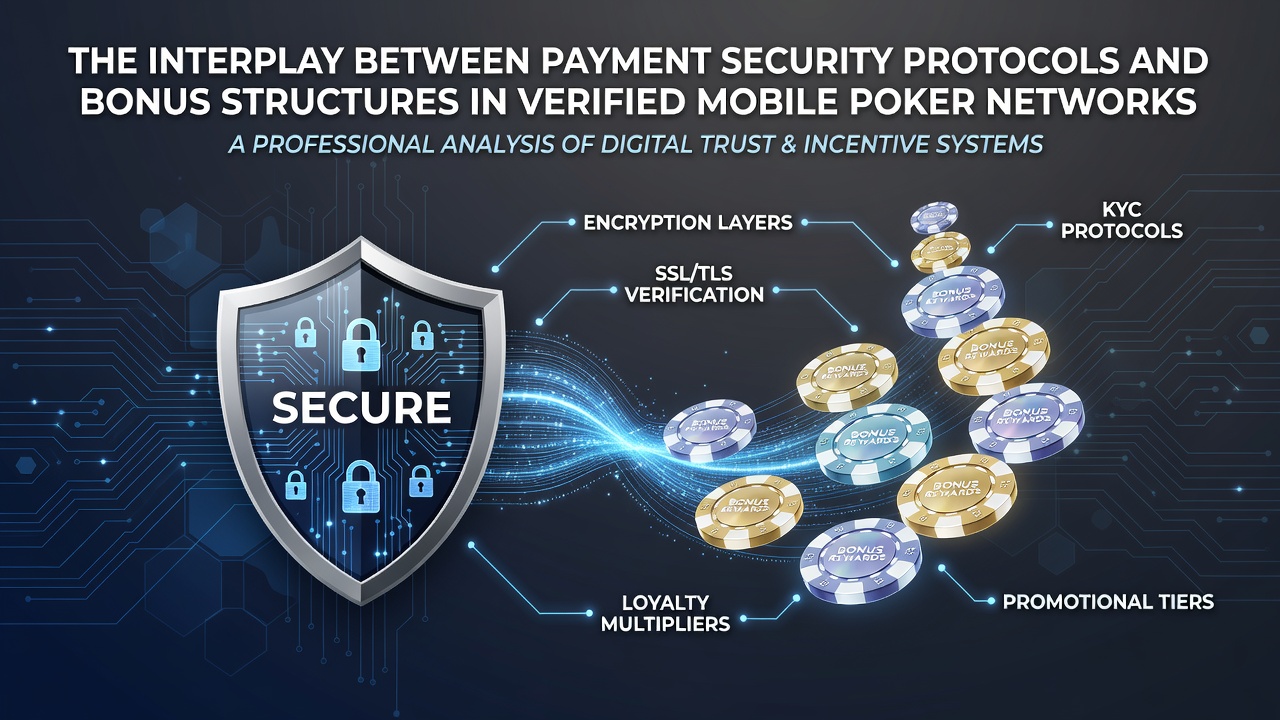
Secure Payment Frameworks Guiding Bonus Mechanics Across Verified Mobile Poker Platforms
Payment security protocols in verified mobile poker networks operate alongside bonus structures to maintain transaction integrity while defining player eligibility for promotional rewards, and data from regulatory bodies show that encryption standards combined with identity verification processes directly influence how operators calculate and distribute bonuses across platforms operating in multiple jurisdictions.
Networks that implement multi-layered authentication for deposits and withdrawals often tie these steps to bonus activation requirements, which means players must complete additional verification stages before accessing match bonuses or loyalty rewards, according to industry reports released in early 2026. Those who've examined transaction logs observe that fraud detection algorithms flag unusual activity patterns and automatically adjust bonus release schedules to prevent exploitation, creating a system where security checkpoints serve dual purposes of protection and eligibility control.
Verification Layers and Their Direct Effects on Promotional Access
Verified networks require players to submit documentation for account approval, and this process frequently determines whether bonus funds become available immediately or remain locked until further checks complete, while data indicates that regions with stricter financial reporting rules see operators extending verification timelines by several days during peak periods. One study revealed that platforms using biometric confirmation for high-value transactions report fewer bonus-related disputes because the added security layer confirms user identity before any promotional credits activate.
Payment gateways integrated with poker applications employ tokenization to protect card details, and these same systems feed data into bonus calculation engines that adjust wagering multipliers based on the payment method selected, whereas operators in Australia and parts of the European Union have documented how certain deposit types carry higher risk scores that trigger elevated playthrough conditions. What's interesting here is how these adjustments maintain compliance without altering the visible bonus amounts advertised to users.
Regional Regulatory Influences on Security-Bonus Integration
Authorities in Canada and several US states have updated guidelines that require networks to demonstrate clear separation between security audits and bonus distribution logs, which forces operators to maintain separate reporting streams that auditors can review independently. Research indicates that networks complying with these standards experience smoother license renewals, and figures reveal that bonus structures in these markets often include clauses referencing ongoing security monitoring as a condition for continued eligibility.
Operators have observed that real-time fraud monitoring tools scan for bonus abuse patterns such as multiple accounts funded from the same device, and these detections lead to automatic bonus forfeitures that protect both the network and legitimate players. The reality is that such measures, while invisible to most users, shape the overall ecosystem by discouraging coordinated attacks that could otherwise drain promotional pools.
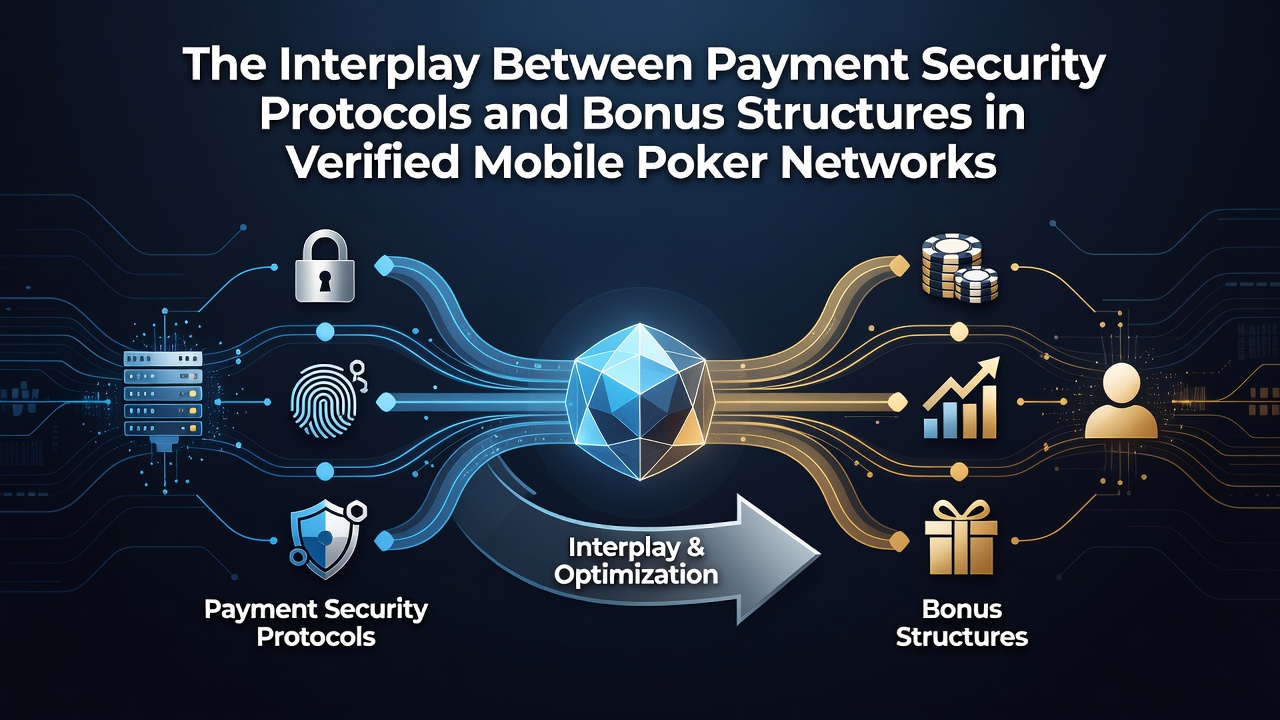
Technical Standards Driving Structural Changes in September 2026
Updates rolling out across major mobile poker providers in September 2026 include enhanced API connections between payment processors and bonus management systems, allowing for dynamic adjustments to terms based on live security assessments, and analysts note that these integrations reduce manual interventions by nearly 40 percent compared to earlier configurations. Networks adopting these protocols report that bonus structures now incorporate risk-weighted variables derived directly from payment security scores rather than relying solely on static rules.
Case examples from verified platforms show that when encryption protocols detect potential vulnerabilities during routine scans, bonus activation for affected accounts pauses until remediation completes, which keeps promotional integrity intact while the technical team resolves the issue. Those who've tracked these events find that transparent communication about such pauses tends to preserve player trust even when delays occur.
Future Patterns Emerging from Combined Security and Bonus Frameworks
Industry associations tracking developments across verified networks highlight that the convergence of payment security and bonus design continues to evolve with each new regulatory cycle, and evidence suggests operators will increasingly use machine learning models to predict both fraud risks and optimal bonus configurations simultaneously. This approach allows networks to refine eligibility criteria without disrupting the user experience for compliant players.
Conclusion
The documented connections between payment security protocols and bonus structures demonstrate how verified mobile poker networks balance protection measures with promotional strategies through integrated technical systems, and ongoing regulatory developments ensure these frameworks adapt to emerging threats while maintaining consistent access for verified users. Data collected through September 2026 indicates continued refinement in these areas as platforms respond to both security requirements and market demands across different regions.