Certified Transaction Protocols: Facilitating Access to Live Table Games on Mobile Wireless Platforms
Parker Ludwig · Oct 29, 2026
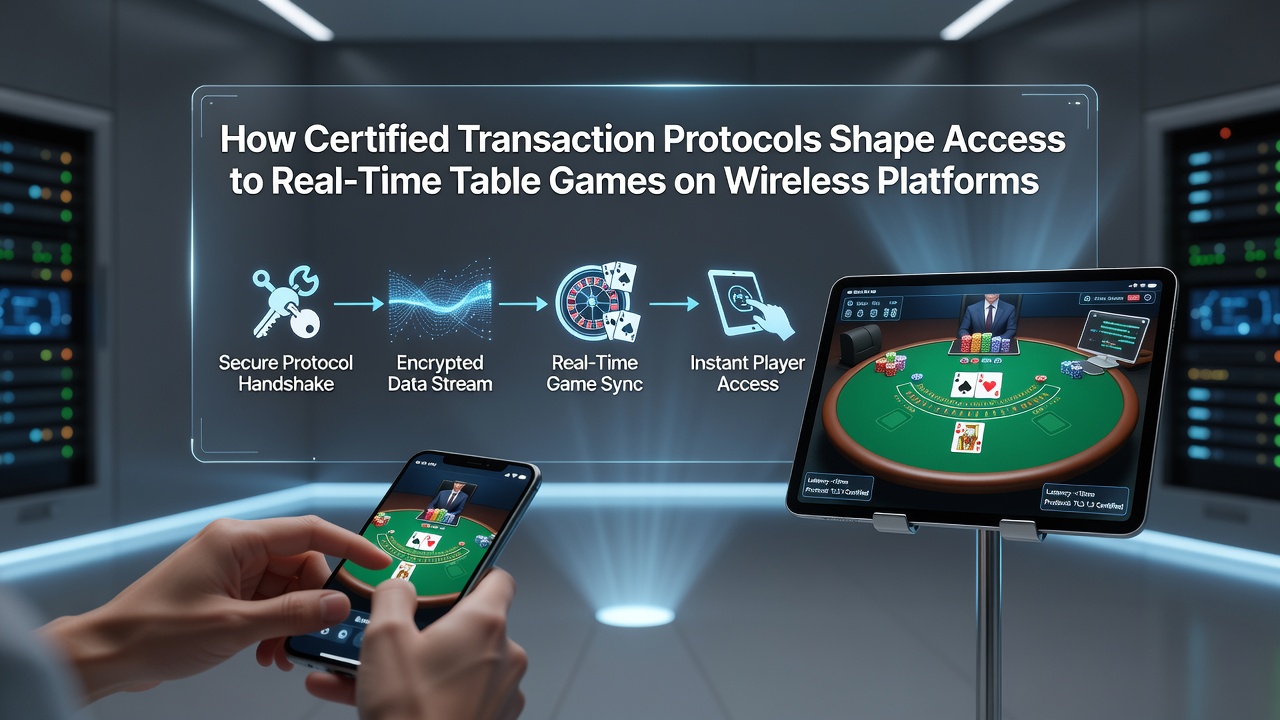
Certified Transaction Protocols: Facilitating Access to Live Table Games on Mobile Wireless Platforms
Data from October 2026 indicates that certified transaction protocols have expanded player access to real-time table games on wireless platforms through standardized security measures and payment verification systems, with industry reports showing growth in mobile participation across multiple markets.
Defining Certified Transaction Protocols in Gaming Contexts
Certified transaction protocols consist of verified frameworks that authenticate financial exchanges during live gaming sessions, and they incorporate elements such as tokenization, encryption standards, and compliance checks established by recognized authorities. These protocols operate on wireless networks where devices connect through cellular or Wi-Fi channels, ensuring that each bet placed in games like blackjack or roulette processes without interruption from unauthorized access attempts.
Regulatory bodies in regions including the United States and Australia require operators to implement these protocols before offering real-time table games on mobile applications, which creates consistent pathways for users to engage with live dealers through secure channels. Figures reveal that adoption rates rose notably in 2026 as platforms integrated protocols compliant with international payment security benchmarks.
Wireless Platform Integration and Real-Time Functionality
Wireless platforms rely on low-latency connections to deliver synchronized video streams and instant betting interfaces for table games, while certified protocols manage the backend verification that confirms funds availability within milliseconds of each wager. Observers note that without these certifications, mobile networks often encounter delays or blocks that restrict access during peak usage periods.
Systems using EMV-based standards alongside dynamic authentication tokens allow seamless transitions between device sessions, and data shows increased session durations on platforms that maintain protocol certification across operating systems. In October 2026, several networks reported higher engagement metrics tied directly to upgraded transaction layers that support uninterrupted play on tablets and smartphones alike.
Security Measures Enabling Broader Accessibility
Encryption layers certified under established payment card industry guidelines protect user data during transfers, which reduces fraud incidents that previously limited mobile participation in live dealer environments. Researchers have documented how these measures align with requirements from bodies such as the Nevada Gaming Control Board and equivalent Australian state regulators, creating unified standards that operators must meet to expand services geographically.
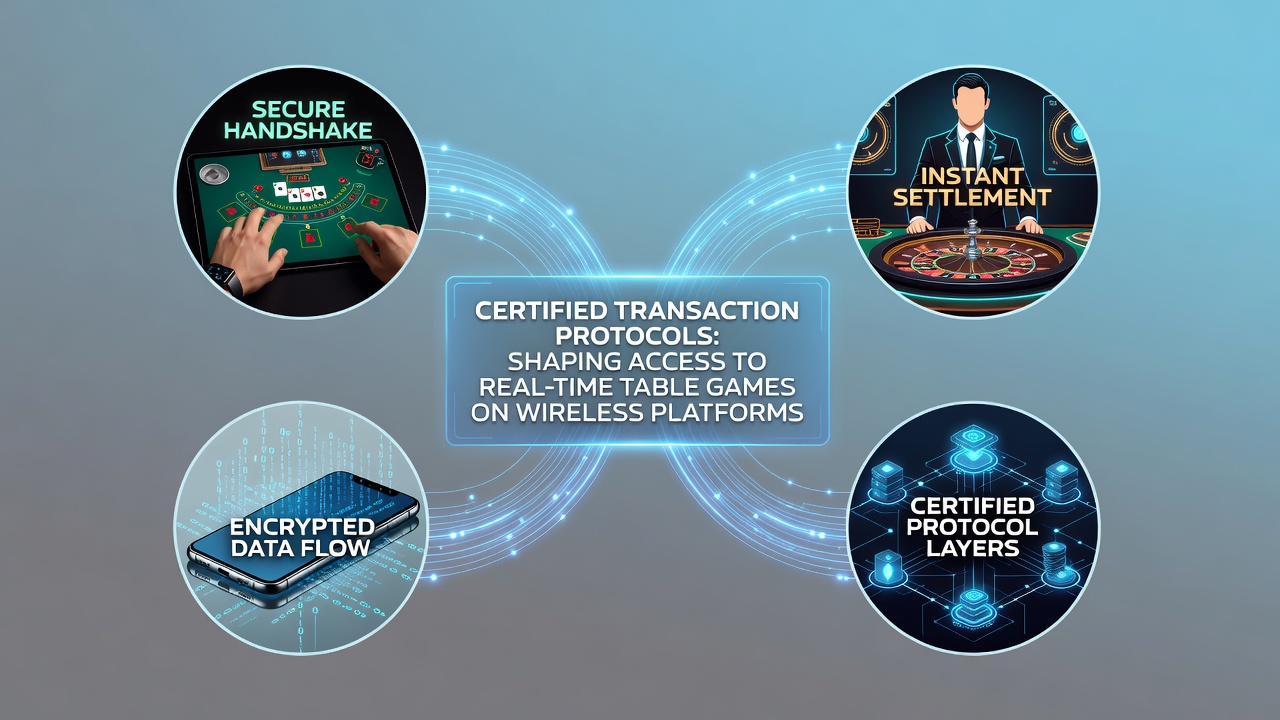
Tokenization replaces sensitive card details with unique identifiers that expire after single uses, and this approach supports rapid re-entry into active tables without repeated verification steps. Studies indicate that platforms adhering to these protocols experience fewer account restrictions, allowing continuous access for players across different wireless carriers and device types.
Regulatory Influences on Protocol Adoption
International standards set by organizations like the European Gaming and Betting Association guide the certification process, ensuring protocols meet varying legal thresholds in different jurisdictions. Those who've examined market trends point out that operators gain licensing advantages when they demonstrate full compliance, which in turn opens wireless access to table games in additional territories.
Academic analyses from research institutions have examined how protocol certifications correlate with transaction success rates above 99 percent in live gaming scenarios, according to aggregated industry data compiled through 2026. This reliability encourages wider deployment on wireless infrastructure where connection stability varies by location and network provider.
Impact on User Participation Patterns
Players encounter fewer barriers when protocols handle multi-currency conversions and instant settlements, and reports from October 2026 highlight expanded participation from regions previously underserved due to payment processing limitations. Certified systems integrate with mobile wallets and banking applications to streamline deposits and withdrawals during active sessions.
Case examples show operators updating their wireless offerings after achieving certification milestones, which results in broader availability of real-time games without regional payment restrictions. Evidence suggests these changes support consistent gameplay across time zones and device ecosystems.
Conclusion
Certified transaction protocols continue to define operational parameters for real-time table games on wireless platforms by enforcing security and compliance standards that support expanded access. Data collected through late 2026 demonstrates measurable increases in mobile engagement where these frameworks operate consistently across networks and regulatory environments.